Root canal treatment in Sector 93, Gurgaon
Treat an infected tooth and, in most cases, keep it instead of losing it. Done under local anaesthesia, usually in 1 to 3 visits.
Medically reviewed by Dr. Arti Kumari, BDS on 15 October 2026. How we review
5.0 on Google from 190+ reviews
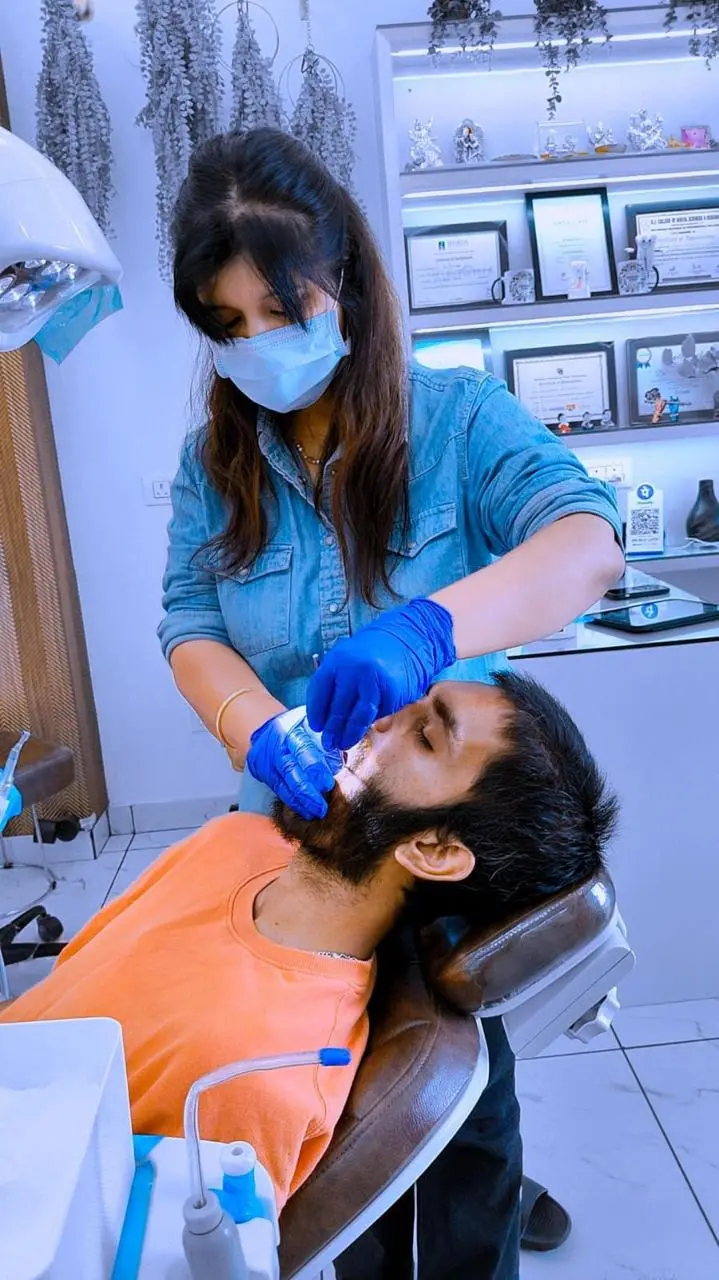
A root canal treats the pulp, the soft inner part of a tooth, when it becomes infected or inflamed. This usually follows a deep cavity, a crack or an old filling that has leaked. The infected pulp is removed and the canals are cleaned and sealed, so in most cases you can keep your own tooth.
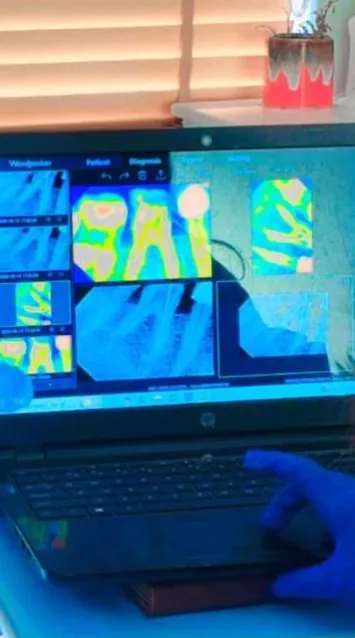
At Dantiki Dental Clinic in JMS Crosswalk Mall, Sector 93, Dr. Arti Kumari first checks the tooth with a digital X-ray and shows you the image on the laptop at the chair. You will know what is wrong, how many visits it may take and what it will cost before treatment starts.
Patients come for root canal from Sectors 85 to 95, Hayatpur and the rest of New Gurgaon, and from the Dwarka Expressway sectors. The clinic is open every day, including Sunday mornings.
Information from Dantiki Dental Clinic and Implant Center, Sector 93, Gurgaon, reviewed by Dr. Arti Kumari on 15 October 2026. Your treatment plan is decided after an examination. Sources
Signs you may need a root canal
Pain that lingers
Sensitivity to hot or cold that stays after the food or drink is gone.
Pain when you bite
An ache when you chew or press on one particular tooth.
Toothache at night
Throbbing pain that wakes you up or gets worse when you lie down.
Swelling or a gum boil
Swelling of the gum or face, or a small pimple on the gum that leaves a bad taste. Facial swelling needs a prompt visit.
Infection seen on X-ray
Sometimes there is no pain at all, and the infection only shows up on an X-ray.
How root canal treatment works at Dantiki
Examine
Dr. Arti Kumari checks the tooth, takes a digital X-ray and explains whether the tooth can be saved.
Numb
The area is numbed with local anaesthesia. In most cases you feel only pressure and movement, not sharp pain.
Clean
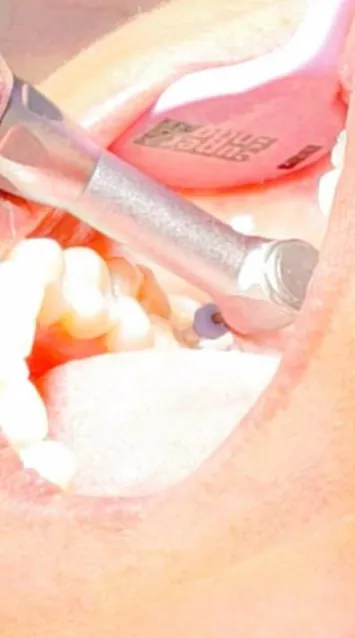
A small opening is made, the infected pulp is removed, and the canals are shaped with rotary instruments and cleaned with irrigation.
Seal
The canals are filled and sealed. If infection needs time to settle, medicine is placed inside under a temporary filling first.
Protect
The tooth gets a final filling. For back teeth a crown is often advised, as a root-canal-treated tooth is weaker and can crack.
How many visits does it take?
Most root canals are finished in 1 to 3 visits. A front tooth with one canal is often quicker than a molar, which can have three or four. With active infection or swelling, medicine may be placed inside and the work finished at the next visit. If a crown is advised, it is planned once the root canal is complete.
Root canal treatment cost in Gurgaon: what affects it
The cost depends on the tooth and how much work it needs. After the examination and X-ray, Dr. Arti Kumari gives you a clear estimate before treatment starts, including a crown if one is advised.
- Front tooth or back tooth, and the number of canals
- How severe the infection is
- Redoing an old root canal
- Whether a ceramic or zirconia crown is needed
Aftercare
- Wait until the numbness wears off before you eat.
- Mild soreness for a few days is common, and it can take a week or two to settle fully. You can take pain relief medicine if advised.
- Avoid chewing hard food on that side until the final filling or crown is in place.
- If a temporary filling feels loose or falls out, call us so it can be replaced.
- Call us if swelling, pain or fever gets worse instead of better, if strong pain lasts more than a few days, if your bite feels high, or if you get a rash or itching after a medicine.
When to get help urgently
- Swelling of the face or gum: call the clinic the same day.
- If swelling reaches your eye or neck, or makes it hard to breathe, swallow, speak or open your mouth, go to a hospital emergency department straight away.
- A high temperature with tooth pain, or you feel very unwell.
Outside clinic hours, go to the nearest hospital emergency department. Do not drive yourself if your face is badly swollen.
Why patients choose Dantiki
Digital X-ray at chair
Your tooth is checked with an RVG digital X-ray, viewed on the laptop beside you.
Rotary root canal instruments
Canals are shaped with rotary instruments on an endo motor and cleaned with irrigation syringes.
Rated 5.0 on Google
In 190+ Google reviews, patients often mention a gentle doctor, clear explanations and a clean clinic.
Root canal: questions patients ask
Is root canal treatment painful?
It is done under local anaesthesia, so in most cases you feel pressure and movement rather than pain. If you feel any sharp pain, tell Dr. Arti and more anaesthetic can be given. Some soreness for a few days afterwards is common and usually settles with pain relief medicine if advised.
Can a root canal be done in one sitting?
Often, yes, if the tooth can be cleaned well in one visit. With swelling, pus or a lot of infection, or with narrow and curved canals, Dr. Arti may prefer to place medicine inside and finish at a later visit. Research shows that one-visit and multi-visit root canals heal equally well, so the choice depends on your tooth. She will tell you which applies after the X-ray.
Do I need a crown after a root canal?
For back teeth, a crown is often advised. They take heavy chewing forces and can crack after decay and a root canal, and a crack that runs below the gum can mean losing the tooth. Front teeth with less damage can sometimes be restored with a filling alone.
Why not just remove the tooth?
Removing a tooth is quicker, but the gap causes its own problems. Nearby teeth can tilt into the space, and chewing on that side gets harder. Replacing the tooth later means an implant, bridge or denture. If a tooth truly cannot be saved, the dentist will explain your options.
Can tablets alone cure a tooth infection?
No. Painkillers can ease the pain for a while, but no tablet can clean out the infected pulp inside the tooth, so the problem usually comes back. Antibiotics are not needed for most toothaches. A dentist may prescribe them in some cases, for example when an infection is spreading or you have a fever. The infection itself is treated with a root canal, or in some cases by removing the tooth. Take medicines only as a dentist or doctor advises, and do not use leftover antibiotics.
Can a root canal fail?
Most root-canal-treated teeth heal well and, with a good filling or crown and regular checkups, can last for many years. Sometimes a tooth does not heal fully, or new decay, a crack or a leaking filling lets bacteria back in, even years later. The tooth can then sometimes be treated again, or removed if it cannot be saved. Getting the final filling or crown done on time helps protect the tooth.
Sources and further reading
The clinical information on this page was checked against this published guidance.
- Root canal treatmentNHS (UK)
- Root Canal ExplainedAmerican Association of Endodontists
- Root Canal Post Treatment CareAmerican Association of Endodontists
- Single versus multiple visits for endodontic treatment of permanent teethCochrane
- Antibiotics for Dental Pain and Swelling (clinical practice guideline)American Dental Association
- Dental abscessNHS (UK)
Written by the Dantiki Dental Clinic team. Medically reviewed by Dr. Arti Kumari, BDS, on 15 October 2026. Next review due April 2027. This page is general information, not a diagnosis: your treatment is planned after an examination. How we write and review health information.
Related treatments
Book a root canal consultation
Message us on WhatsApp with your concern. Dr. Arti will examine you, explain the options and share the cost before anything starts.