Jaw pain and TMJ treatment in Sector 93, Gurgaon
Pain near the ear, a clicking jaw or a mouth that will not open fully? Most jaw problems settle with simple, gentle care once the cause is found.
Medically reviewed by Dr. Arti Kumari, BDS on 15 October 2026. How we review
5.0 on Google from 190+ reviews
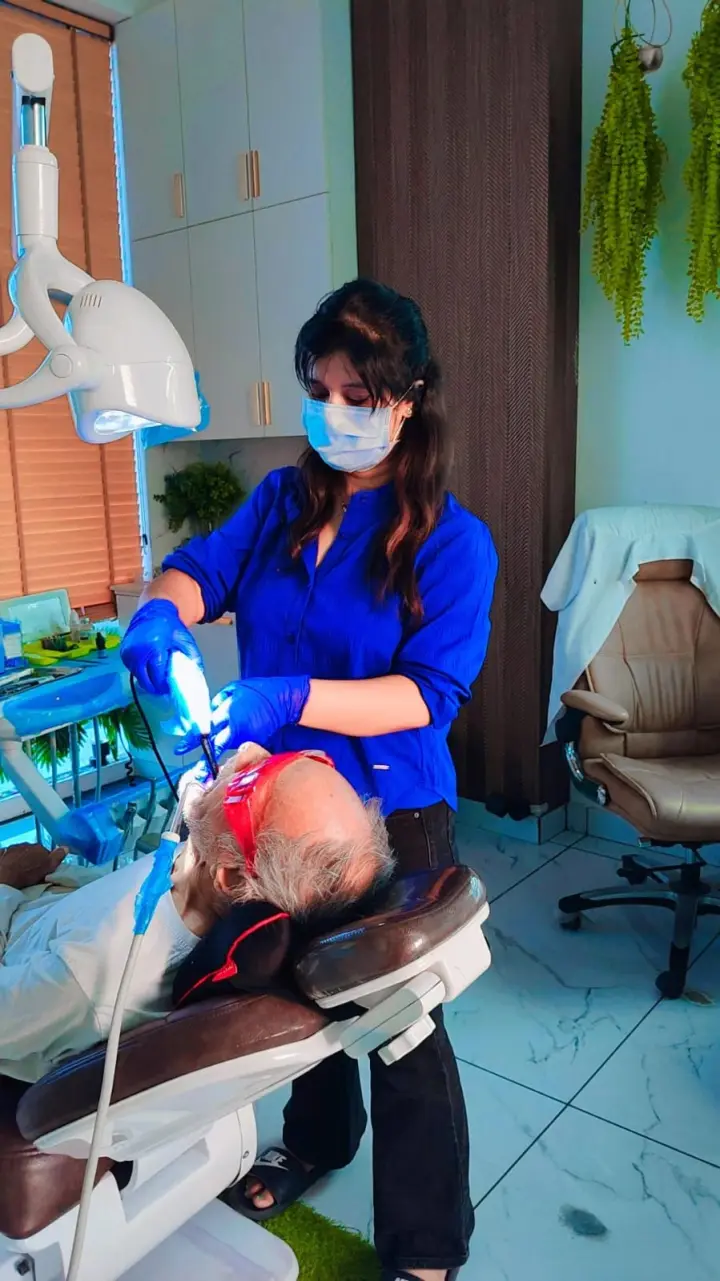
The temporomandibular joints (TMJ) connect your lower jaw to your skull, just in front of each ear. Problems with these joints and the chewing muscles around them are called temporomandibular disorders, or TMD. They can cause pain in the jaw, face, ear or temple, clicking sounds, and a jaw that feels stiff or gets stuck.
Common triggers include clenching or grinding the teeth, often at night or under stress, a knock to the jaw, and wear in the joint. Often several factors combine. A tooth problem, such as an infected tooth or a wisdom tooth, can also feel like jaw pain. At Dantiki Dental Clinic in JMS Crosswalk Mall, Sector 93, Dr. Arti Kumari first finds out whether the pain is coming from the teeth, the muscles or the joint, and then starts with simple, reversible treatment. Most people improve within weeks to a few months.
Patients come for jaw pain (TMJ) from Sectors 85 to 95, Hayatpur and the rest of New Gurgaon, and from the Dwarka Expressway sectors. The clinic is open every day, including Sunday mornings.
Information from Dantiki Dental Clinic and Implant Center, Sector 93, Gurgaon, reviewed by Dr. Arti Kumari on 15 October 2026. Your treatment plan is decided after an examination. Sources
Signs of a jaw joint (TMJ) problem
Pain in front of the ear
An ache in the jaw joint, cheek or temple, often worse when you chew or when you wake up.
Clicking or grating
A click, pop or grating sound when you open or close your mouth. A click without pain is common and often needs no treatment.
Stiff or locking jaw
Difficulty opening your mouth fully, or a jaw that catches or gets stuck open or closed.
Headaches and earache
Headaches around the temples, or ear pain and fullness when the ear itself is healthy.
Signs of grinding
Flat, chipped or sensitive teeth, or tired, aching jaw muscles on waking.
How jaw pain is treated at Dantiki
Listen
Dr. Arti asks when the pain started, what makes it worse, and about clenching, grinding, stress, sleep, headaches and any injury.
Examine
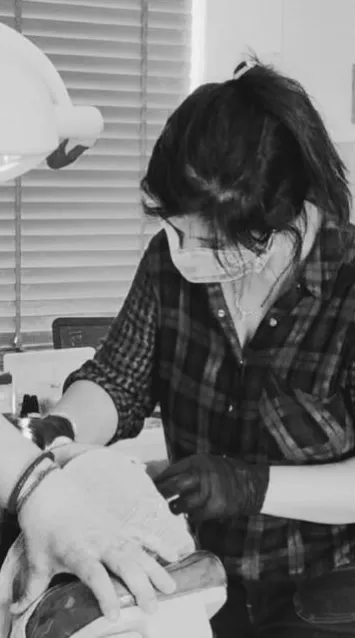
She checks how wide your mouth opens, listens for joint sounds, feels the jaw and face muscles for tenderness, and looks at your bite and the wear on your teeth.
Rule out tooth causes
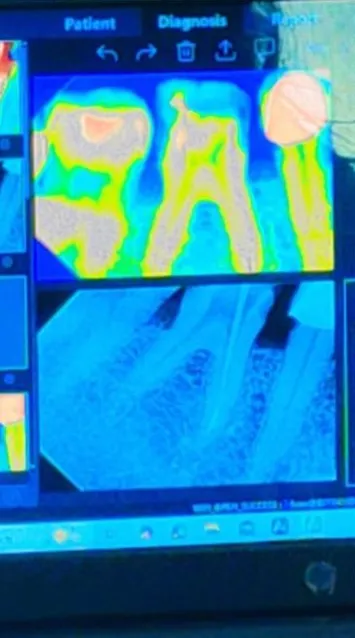
A digital X-ray is taken if a tooth, a wisdom tooth or the joint needs a closer look, so that a tooth infection is not missed.
Start simple care
You get a plan for jaw rest, soft food, warm packs, gentle jaw exercises and, if suitable, short-term pain relief. Any tooth causing pain is treated.
Night guard and review
If you clench or grind, or have muscle pain or headaches, a night guard (splint) may be added. You are reviewed after 6 to 8 weeks, and referred to an oral and maxillofacial surgeon or a physiotherapist if the pain is not settling.
How long does it take to get better?
Many people feel better within a few weeks of self-care and jaw rest. UK guidance from the Royal College of Surgeons notes that about 75 to 90% of people improve with early, simple care. Flare-ups can come back from time to time, often in stressful periods. A night guard needs a mould or scan of your teeth and is fitted at a later visit, and is usually tried for about three months. If the pain is not improving at review, Dr. Arti refers you for further tests or specialist care.
Jaw pain (TMJ) treatment cost: what affects it
Most jaw pain is managed with advice, exercises and review visits. After the examination, Dr. Arti explains the plan and its cost before anything is started.
- Whether an X-ray is needed
- Whether a custom night guard (splint) is advised
- Treating a tooth that is causing the pain
- Number of review visits
Looking after your jaw at home
- Eat soft food and cut it into small pieces for a while. Avoid chewing gum, hard nuts and very chewy food.
- Avoid opening wide: take small bites, and support your chin with your hand when you yawn.
- Use a warm pack (a hot water bottle wrapped in a towel) on the sore side for 15 to 20 minutes, twice a day, or a cold pack wrapped in cloth for up to 5 minutes at a time. Use whichever helps more.
- Keep your jaw relaxed during the day: lips together, teeth apart. Notice if you clench while working, driving or using your phone.
- Avoid resting your chin on your hand, biting your nails or chewing pens.
- Take pain relief medicine only as advised by a dentist, doctor or pharmacist, and only for short spells.
- Wear the night guard as advised and bring it to your check-ups. If it makes your pain worse, stop wearing it and tell us.
When to get help urgently
- Your jaw is stuck open and you cannot close your mouth. Do not force it: support your jaw and go to a hospital emergency department.
- Jaw pain after a fall, accident or blow to the face, especially if your teeth no longer meet properly or your lower lip feels numb.
- Swelling of the face or neck with fever, or swelling that makes it hard to breathe, swallow, speak or open your mouth.
- Jaw pain together with chest pain, breathlessness, sweating or pain spreading to the arm. This can be a heart problem: call 112 straight away and do not drive yourself.
- Over about 50, with a new headache at the temples, a tender scalp, jaw pain when chewing or talking, or any change in your vision: see a doctor the same day.
- New numbness in the face, or jaw pain with unexplained weight loss or a lump: get it checked within days.
For a jaw that has suddenly locked during clinic hours, call us. Outside clinic hours, or if you are unsure, go to the nearest hospital emergency department.
Why patients choose Dantiki
Teeth, muscles and joint checked together
Jaw pain often has more than one cause. The teeth, bite, muscles and joint are checked at the same visit.
Gentle, reversible care first
Treatment starts with steps that do not permanently change your teeth or bite, as health guidance advises.
Referral when needed
If the joint needs scans, injections or surgery, Dr. Arti refers you to an oral and maxillofacial surgeon.
Jaw pain (TMJ): questions patients ask
Which doctor should I see for jaw pain or TMJ?
A dentist is a good first stop. Jaw pain often comes from the teeth, from clenching or grinding, or from the chewing muscles, and a dentist can check all three. Dr. Arti examines the jaw and teeth and starts treatment. If you need scans, injections or surgery, she refers you to an oral and maxillofacial surgeon. A physiotherapist can also help with jaw exercises.
Will TMJ pain go away on its own?
Often, yes. Many jaw problems get better within weeks to a few months with self-care: soft food, jaw rest, warm packs and less clenching. If the pain lasts more than a couple of weeks, keeps coming back, or your jaw locks, get it checked.
My jaw clicks but does not hurt. Do I need treatment?
Usually not. A click without pain or locking is common and often stays the same for years. Get it checked if the click comes with pain, if your mouth does not open fully, or if your jaw gets stuck.
Can TMJ cause ear pain or headaches?
Yes. Pain from the jaw joint and chewing muscles is often felt around the ear and the temples, and TMJ problems can cause headaches. If you also have hearing loss, discharge from the ear, ringing in the ears, or headaches that do not fit with a jaw problem, Dr. Arti may ask you to see a doctor or an ENT specialist as well.
Do I need an X-ray or MRI for jaw pain?
Most people do not. Jaw joint problems are mainly diagnosed by talking and examining. A dental X-ray may be taken to check for a tooth or wisdom tooth problem that can feel like jaw pain. Scans of the joint itself, such as CBCT or MRI, are needed only in selected cases, usually arranged by a specialist.
Does a night guard help with TMJ?
It can help some people, especially those who clench or grind, or who have muscle pain or headaches. Research results are mixed, so a night guard (splint) is used together with self-care and exercises, not on its own. It should cover all your teeth and should not change your bite. If one is advised, it is made to fit your teeth and checked at review visits. If it makes the pain worse, stop wearing it and tell us.
Can stress cause jaw pain?
Stress can play a part. Many people clench their teeth or tighten their jaw muscles without noticing when they are stressed or concentrating, and some grind their teeth at night. Relaxation, good sleep and noticing daytime clenching often help along with dental care.
Will I need surgery or to have my teeth ground down?
Very rarely. Health guidance recommends starting with simple, reversible treatment. There is no good evidence that grinding down teeth, crowns or braces to change the bite treat TMJ problems, and they can make things worse. Surgery or joint procedures are considered only for specific joint problems that do not improve with simple care, and are done by an oral and maxillofacial surgeon. Before any permanent treatment, ask why it is needed.
Can a tooth problem feel like jaw or ear pain?
Yes. An infected tooth, a cracked tooth or a wisdom tooth coming through can cause pain that spreads to the jaw, ear or temple. That is why Dr. Arti checks the teeth, with an X-ray if needed, before treating the jaw joint.
Sources and further reading
The clinical information on this page was checked against this published guidance.
- TMD (Temporomandibular Disorders)National Institute of Dental and Craniofacial Research (NIH)
- Temporomandibular disorder (TMD)NHS (UK)
- Management of painful temporomandibular disorder in adultsRoyal College of Surgeons of England, Faculty of Dental Surgery (2025)
- Management of chronic pain associated with temporomandibular disorders: a clinical practice guidelineThe BMJ (2023)
- Occlusal interventions for managing temporomandibular disordersCochrane review (2024), via PubMed
- TMJ disorders: diagnosis and treatmentMayo Clinic
- Dislocated jawCleveland Clinic
Written by the Dantiki Dental Clinic team. Medically reviewed by Dr. Arti Kumari, BDS, on 15 October 2026. Next review due April 2027. This page is general information, not a diagnosis: your treatment is planned after an examination. How we write and review health information.
Related treatments
Book a jaw pain (TMJ) consultation
Message us on WhatsApp with your concern. Dr. Arti will examine you, explain the options and share the cost before anything starts.